Zara Aleena
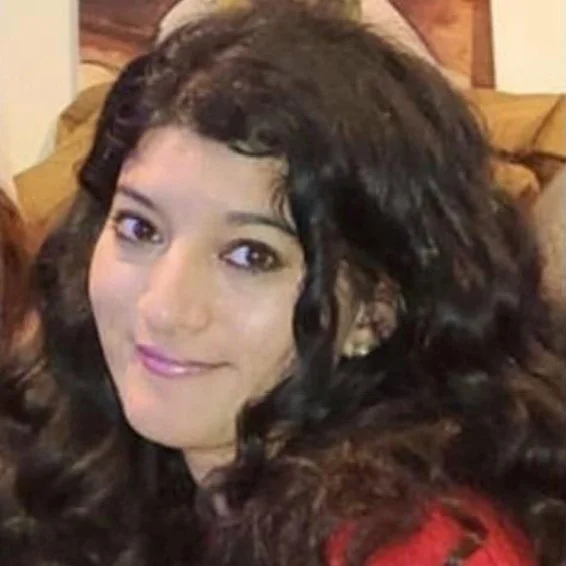
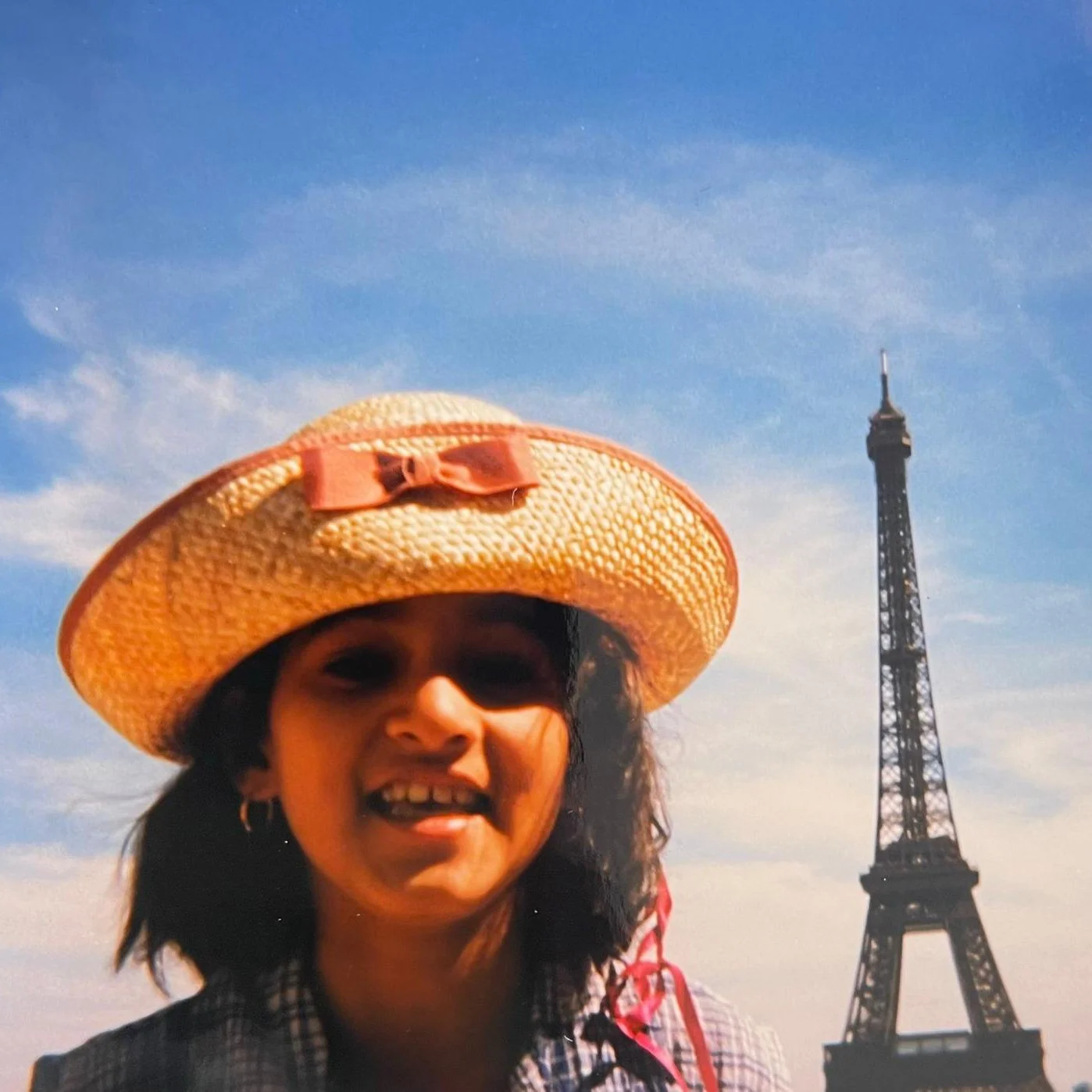
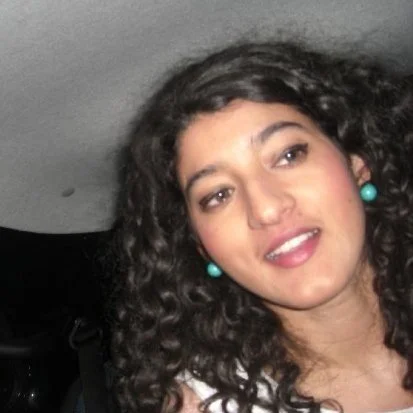
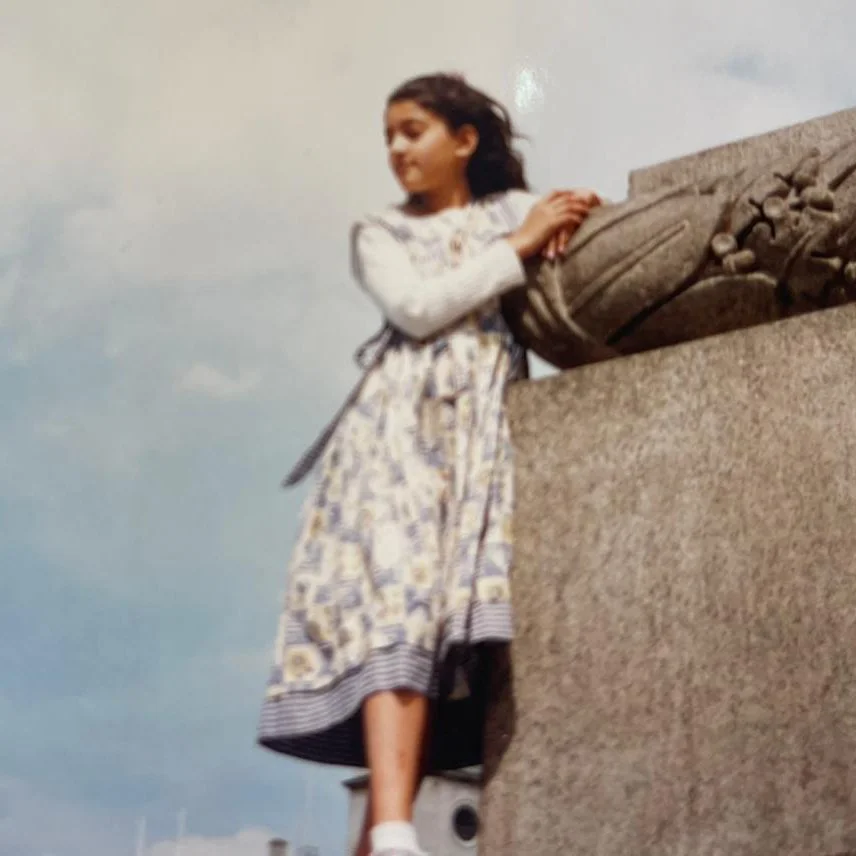
Zara Aleena — A Life of Love, Purpose and Promise
Zara Aleena was 35 when her life was taken in June 2022. She was murdered while walking home — doing something ordinary, something every woman should be able to do without fear. Her death was not random. It was preventable. A series of systemic failures made it possible. But her life — who she was, how she lived and what she gave to the world — will always be larger than the violence that ended it.
Zara was a Londoner rooted in community. She grew up in East London, surrounded by family, cousins and a wide circle of friends who became extended family over decades. She was bright, deeply thoughtful and unusually grounded. She cared about fairness, equity and dignity — not in theory or abstraction, but in how real people live and struggle. She once said, “The law is meant to put things right”. That was her compass.
She was working in the legal field and in the final stretch of qualifying as a solicitor — a milestone she had worked toward with tenacity, intelligence and quiet determination. For Zara, law was a calling. She had no interest in prestige or status. She wanted to use the law to help those without power — those who needed someone to stand beside them.
Zara was warm, funny and generous in a way that was effortless. She was the neighbour who noticed when someone was struggling. The friend who showed up with time, and presence. She rescued stray animals, fed wildlife, and had a particular tenderness toward creatures others overlooked. She had a calm way with them — as if they trusted her before she spoke.
She was playful, social and full of curiosity. She loved music, dancing, laughter, long conversations and simple joys: a good meal, a shared joke, a late-night chat in a kitchen. People felt safe with her — adults, children, animals — because she made space for them without judgement.
On the night she was murdered, Zara was returning home from a quiet evening with a friend. She was close to her front door. There was nothing reckless in her choices. The danger did not come from her actions — it came from a system that failed to prevent a known risk from roaming the streets.
After her death, the devastation was immediate and immeasurable. But alongside the grief came a wave of recognition: people saw themselves, their daughters, their sisters, their friends in Zara. Her name became a catalyst — not because she wanted it, but because we should not have needed her death to expose the cracks in a system meant to protect us.
Since that night, her family and community have ensured she is not reduced to headlines or statistics. Her legacy includes law reform, national review, accountability and a challenge to complacency. Her voice — silenced in life — has been amplified in death by those who refuse to let her disappear into silence.
But before policy, before headlines, before grief — there was Zara.
A woman who was part of a family.
A woman whose life was full of promise.
A woman who was nearly at the threshold of her legal career.
A woman who cared for others instinctively.
A woman who deserved to live, to thrive, to walk home safely.
Zara should still be here — laughing, working, helping, building her future. Instead, we hold her in memory, in action, and in the demand that no more names be added to lists like this.
Her life mattered. Her voice mattered. She still matters.